Teaching at elementary school
The content on this page was translated automatically.
The study program
By studying the "Music - Teaching at Primary Schools" sub-degree course, students acquire skills and knowledge that should enable them to teach music at primary school level. This primarily includes music education qualifications, which are regularly tested in schools. An important prerequisite for this is training in both artistic-practical and theoretical-musicological areas. These include, in particular, practical artistic skills in two instruments, singing, practical school piano playing, music and movement/rhythm, choir and ensemble conducting, arranging and speech training. Theoretical and scientific knowledge is acquired in applied music theory/aural training/form theory and in historical and systematic musicology. Artistic and theoretical skills are combined with pedagogical knowledge in the seminars on school music-making practice and its didactics. The above-mentioned course content takes into account the characteristics of Western art music as well as non-European music, jazz, folklore and various manifestations of popular music.
Teachers
The teaching staff at the Institute of School Music are drawn from a variety of disciplines. The list below includes part of the teaching staff.
* lecturer at HfMT according to §26 Hamburg Higher Education Act
Compulsory elective area
Within the compulsory elective area of all three teaching specializations, you can choose from the following courses, among others:
• Various project opportunities in the following degree programs:
• Stage Production (Musicals, Revues)
• Diversity Studies / Community Music
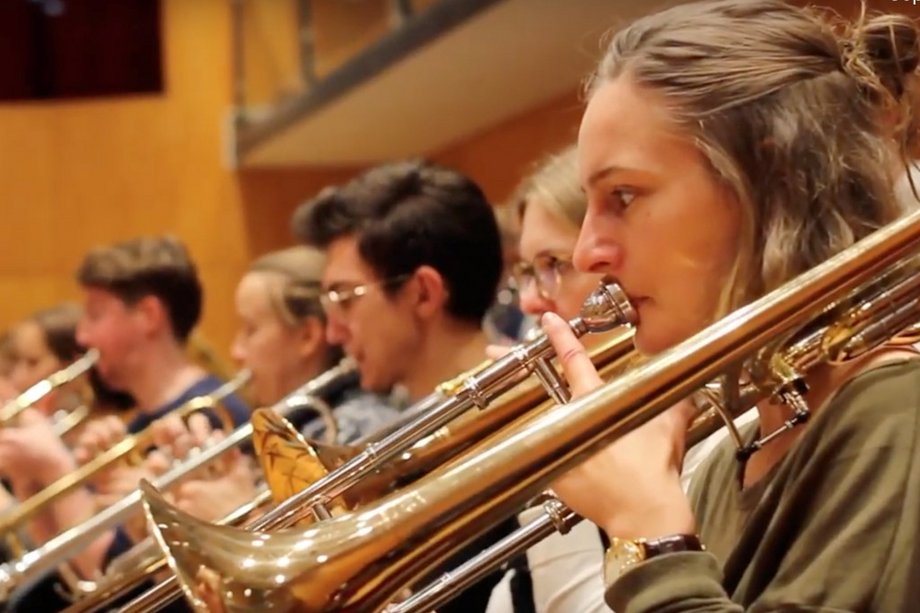
• Practical Music Education (piano, guitar, drums, accordion, saxophone, Orff instruments, brass instruments, string instruments,
• Body-Oriented Fundamentals; Movement, Rhythm, Dance
• Improvisation (piano improvisation, movement improvisation, vocal improvisation)
• In-depth study of various subjects, subject to availability
• Instrumental Pedagogy (subject-specific teaching methods, methodological practicum)
• Music Education Colloquium in cooperation with the Department of Subject Pedagogy at the University of Hamburg (UHH)
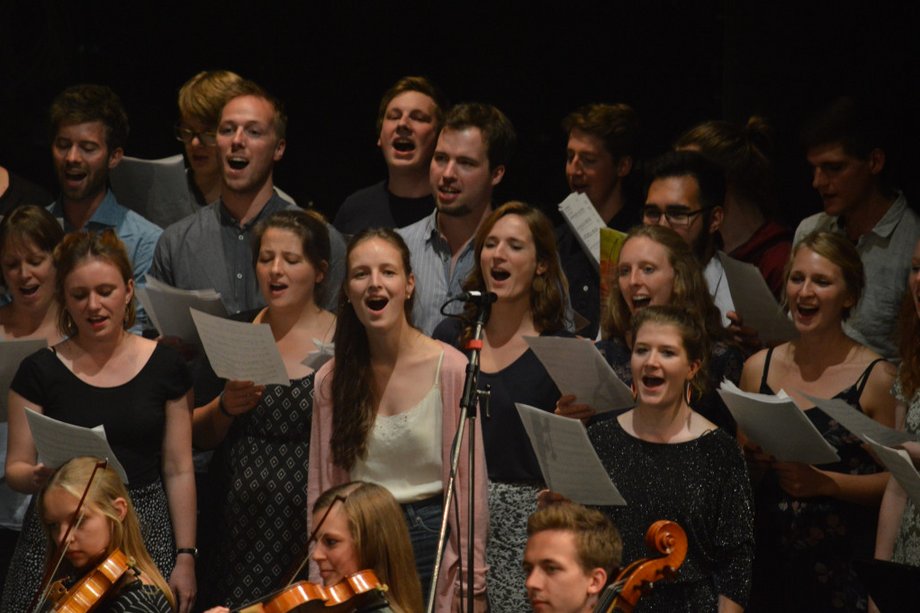
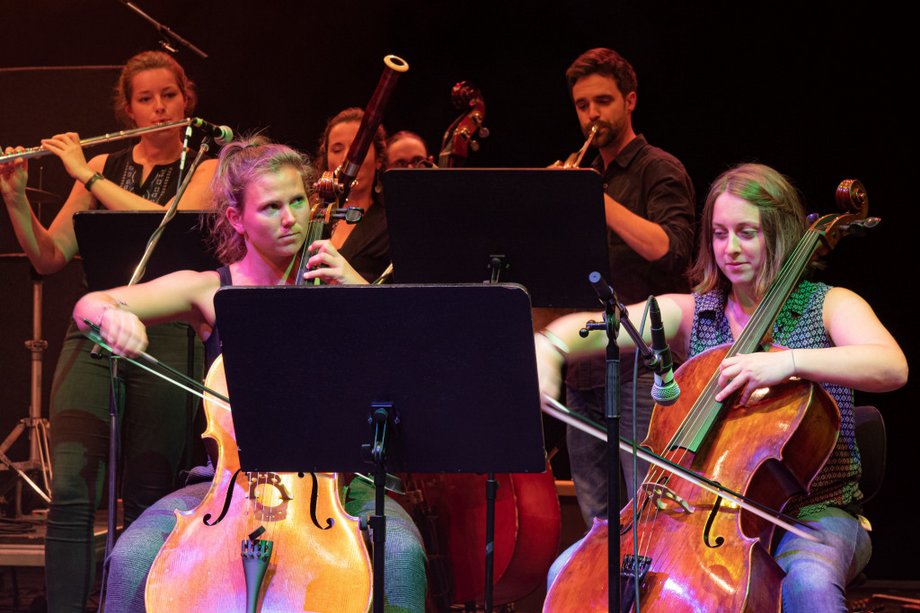
• Choirs/Ensembles (chamber choir, jazz choir, women’s choir, men’s choir, school music orchestra, school music big band, Kleinjans Ensemble)
• Advanced Study in (Choral) Conducting
• Improvisation as an Interpersonal Process
• Group Dynamics (Group Dynamics in Music Education)
• Areas of Application in Music and Psychotherapy and Their Relevance to Music and Instrumental Instruction
• Basic Concepts of Psychodynamic Thinking for Music Education Practice
• Psychodynamic Movement (Body Awareness and Reflection)
• Conversation Techniques for Music Educators
• Developmental Psychology with a Musical Perspective
• Emotions and Affects from a Psychodynamic Perspective
• Writing Seminar for the Bachelor’s Thesis on a Music Therapy-Related Topic
• Seminars and lectures in musicology
• Sight-reading, notation software, jazz theory, voice science
Entrance examination
In addition to the university entrance qualification (Abitur), the prerequisite for a Bachelor's degree course is passing the entrance examination as proof of artistic and academic aptitude.
New: From winter semester 2025/26, the instrument Saz/Bağlama can also be chosen as an artistic subject for the teaching degree. Further information in the online application.
You can find details on the specific requirements for your degree program here and in the entrance examination regulations:
Information on the admission requirements for a Master's degree in School Music can be found in the admission regulations.
The application deadlines can be found in the overview of the application periods
All important information about the application can be found under online application.
Details on the requirements for the entrance examination can be found here.
Contact us
Ines Thiel
Fachbüro Lehramt/Schulmusik+49 40 209494226ines.thiel@hfmt.hamburg.de